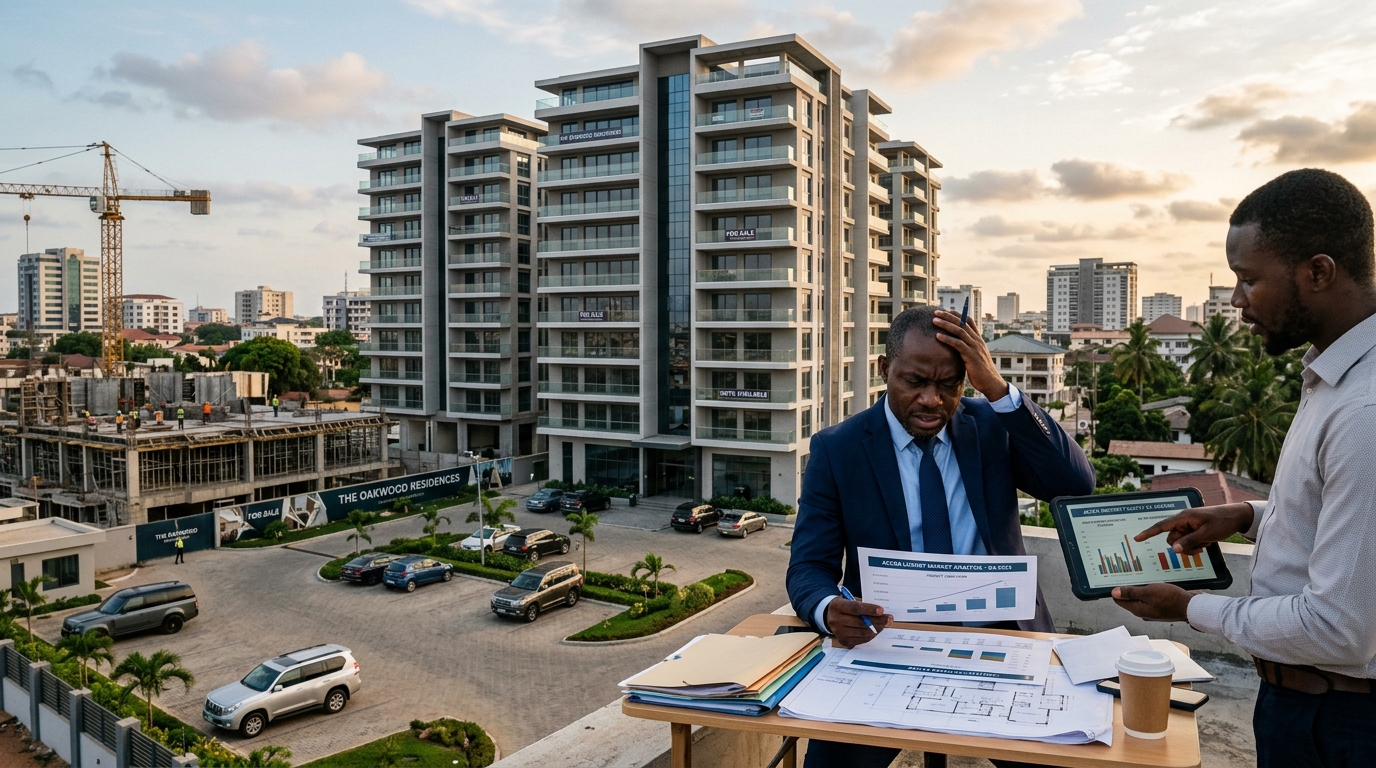
Why Real Estate Developments Fail to Sell in Ghana
One of the biggest misconceptions in Ghana’s real estate sector is the belief that once you build a property, buyers will automatically come.
Unfortunately, reality is proving otherwise.
Across the country, especially in urban areas, many people with access to capital are venturing into real estate development with little or no understanding of the market they are building for. The assumption is often simple:
“Real estate always sells.”
But real estate does not sell simply because it exists. It sells when the product matches market demand, purchasing power, location realities, and buyer expectations.
This is where many developments go wrong.
Too often, projects begin from excitement, ego, or pressure from family and friends rather than proper market research and strategic planning.
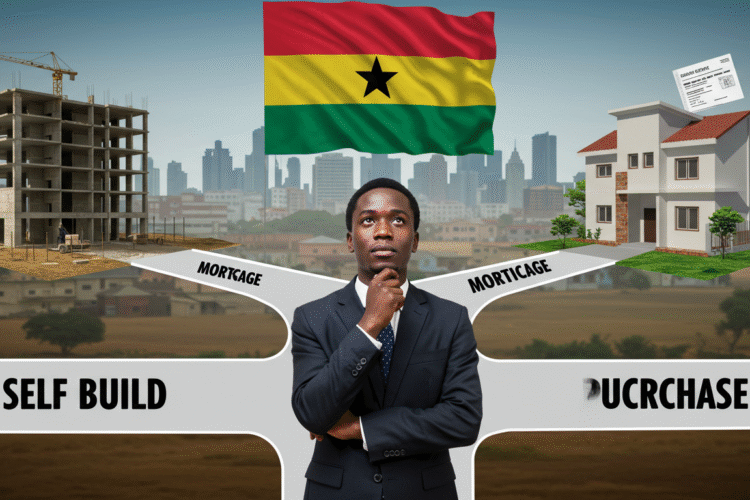
Someone acquires land, puts up a luxury apartment block or expensive townhouses, and only after completion starts asking:
“How do we sell this?”
By then, huge amounts of capital are already locked up.
What makes the situation more worrying is how frequently developers are misled by well-meaning but uninformed advice.
Friends and relatives confidently say things like:
“People are looking for houses.”
“Build luxury; rich people will buy.”
“Price it high.”
“You can always recover your money.”
But the market is not driven by emotion or optimism.
It is driven by demand, affordability, timing, and strategy.
A beautiful building alone is not enough.
Some developments are priced far beyond what the target market can realistically afford.
Others are built in locations where demand does not justify the type of project. In some cases, developers focus so heavily on construction and finishes that they completely ignore sales, branding, financing options for buyers, and long-term market positioning.
The result? Completed properties sitting unsold for years while maintenance costs rise and capital remains trapped.
One painful reality many developers eventually discover is this:
The amount spent building a property does not automatically determine its market value.
The market ultimately decides what a property is worth.
As someone involved in real estate, it is genuinely sad listening to some developers speak about the financial strain they are under after investing heavily into projects that were never properly aligned with market realities from the beginning.
Many entered the space believing real estate was a guaranteed path to quick wealth, only to discover that development without strategy can become an expensive lesson.
This is why market intelligence matters.
Before laying blocks, developers should be asking critical questions:
Who exactly is this property for?
What problem does it solve?
What income bracket is the target buyer?
What similar properties are actually selling in the area?
What is the realistic absorption rate?
Is there proven demand for this type of project?
What is the sales strategy before completion?
Real estate development is not merely construction. It is product development.
The most successful developers in the world do not simply build what they like. They study data, trends, demographics, buyer behavior, infrastructure growth, financing realities, and market gaps before committing capital.
Ghana’s real estate sector still has enormous potential.
But for the industry to mature sustainably, we must move away from the mindset that development is simply about putting up structures.
We need more strategic thinking, more market research, and more collaboration with experienced real estate professionals before projects begin.
Because in real estate, building is only half the job.
Selling is the other half.